
Introduction
Consistent water testing is the foundation of safe, clear, and enjoyable swimming. Memphis weather—hot summers and frequent thunderstorms—means your pool chemistry can change quickly. Regular testing keeps chemicals balanced, prevents algae, and protects your pool surface and equipment from damage.
General Testing Guidelines
- Weekly testing: Check chlorine, pH, and alkalinity year-round.
- 2–3 times per week: During July–August when pools see heavy use and hot temps accelerate chlorine loss.
- After events: Always test after storms, pool parties, or adding large chemical doses.
Pro Tip: Digital testers and liquid kits provide more reliable results than test strips alone.
Recommended Pool Chemical Ranges
| Chemical | Ideal Range | Why It Matters |
|---|---|---|
| Free Chlorine | 1–3 ppm | Keeps water sanitized and safe |
| pH | 7.2–7.6 | Prevents irritation and equipment damage |
| Total Alkalinity | 80–120 ppm | Stabilizes pH levels |
| Calcium Hardness | 200–400 ppm | Protects plaster and prevents scaling |
| Cyanuric Acid (Stabilizer) | 30–50 ppm | Shields chlorine from UV sunlight |
Why Frequent Testing is Critical in Memphis
In the Mid-South, pools face unique challenges:
- Heat: High temps speed up chlorine consumption.
- Humidity: Creates conditions where algae can bloom quickly.
- Storms: Heavy rain dilutes chemicals and throws off balance.
- Usage: More swimmers = higher sanitizer demand.
Pool Water Testing Checklist
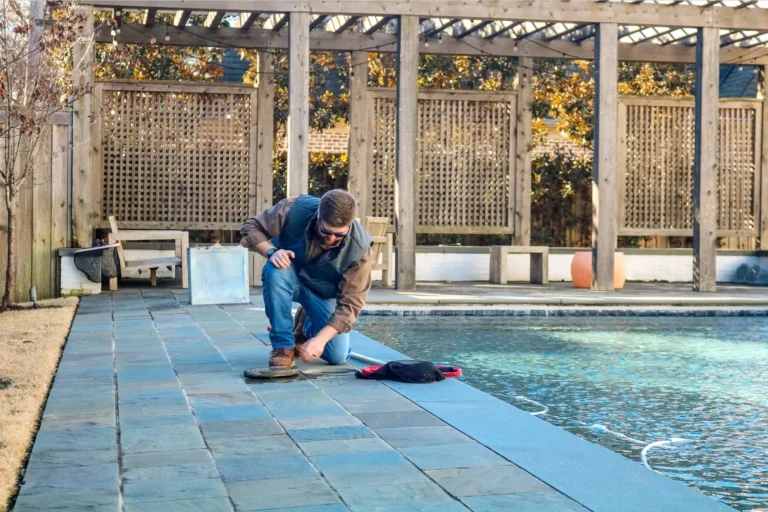
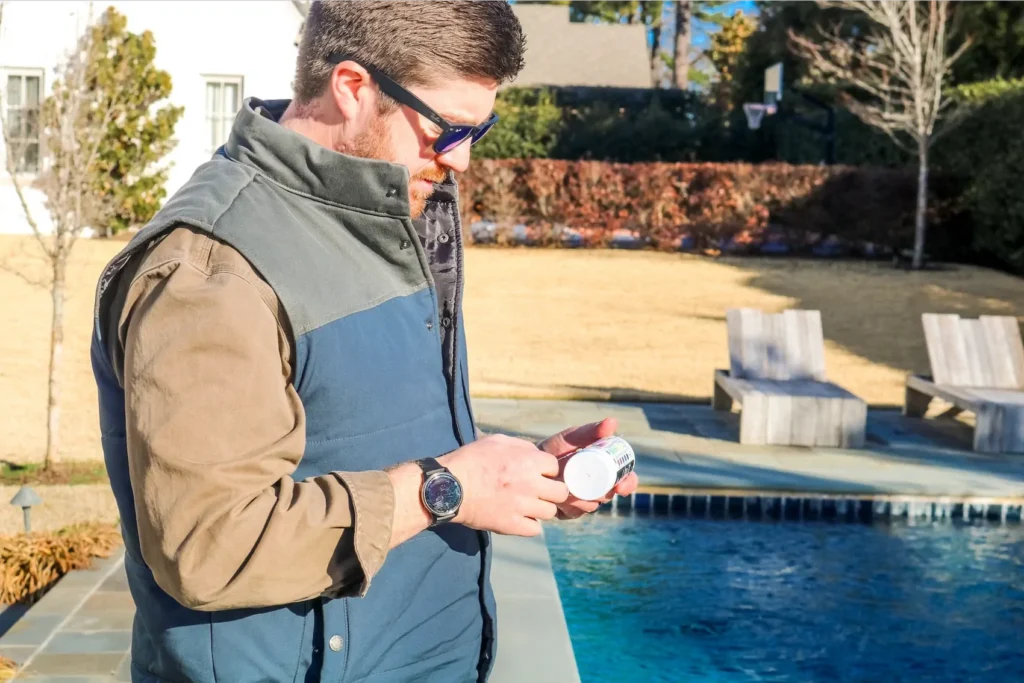
- Use a reliable test kit or strips.
- Check chlorine, pH, and alkalinity weekly.
- Record results to spot patterns or recurring issues.
- Adjust chemicals gradually to avoid swings.
- Schedule professional water tests monthly for confirmation.