
Introduction
Memphis fall weather is mild, but evening temps drop enough to chill pool water quickly. If you want reliable, comfortable swims through October—and often into November—a heater (especially a heat pump) is the most efficient way to extend your season. This guide explains heater options, costs, and practical ways to stay warm without overspending.
Should you heat your pool in the fall?
Consider heating if any of these apply:
- You host fall gatherings, tailgates, or family weekends outside.
- Family members prefer water at 82–85°F, even when nights are cool.
- You’re investing in fall fitness, hydrotherapy, or consistent lap swimming.
- You value predictable comfort over “swim only on the warmest days.”
If you’re flexible and only swim on sunny afternoons, you may manage with a solar cover alone during early fall.
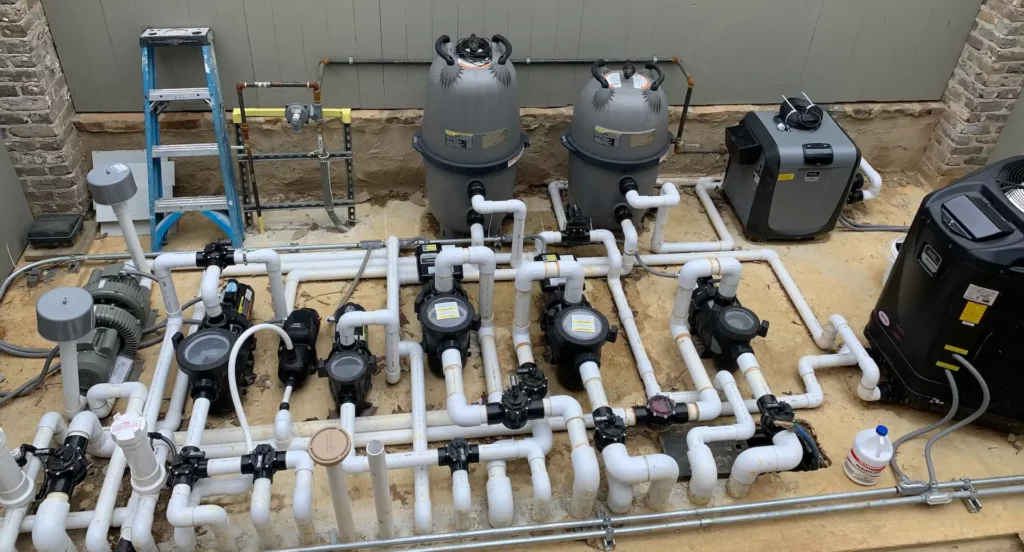
Heater options for the Mid-South
| Heater Type | Best For | How It Heats | Speed | Typical Fall Use |
|---|---|---|---|---|
| Electric Heat Pump | Season extension (Sept–Nov) | Extracts heat from outdoor air | Moderate | Maintain set temp for weeks at a time |
| Gas Heater (Natural/Propane) | Spot heating, spas, quick weekend warmups | Burns fuel to heat water rapidly | Fast | Raise temp quickly for events or spa use |
Ogden Pools’ take: For most Memphis homeowners, a heat pump is the most economical way to keep the entire pool comfortable through fall. Choose a gas heater if you want rapid heat on demand or you’re primarily heating a spa.
What temperature should I target?
- Family comfort: 82–84°F
- Lap swimming: 80–82°F
- Therapy/relaxation: 84–88°F (consider a spa for higher temps)
Every additional degree increases energy use. Most of our customers settle around 82–84°F in October and drop a degree or two into November.
Operating cost expectations (fall)
| System | Per Hour (Est.) | Monthly (Light–Moderate Use) | Notes |
|---|---|---|---|
| Heat Pump | $2–$5 | $100–$250 | Efficient in mild fall air; best for steady temps |
| Gas Heater | $7–$12 | $200–$400 | Great for fast weekend warmups; higher fuel cost |
Real costs vary with pool size, set temperature, wind exposure, and run time. A solar cover can cut heat loss by 50%+.
Ways to reduce heating costs
- Use a solar cover at night. Biggest single savings; reduces evaporation and heat loss.
- Block wind. Windbreaks (fencing, hedges) reduce evaporative cooling.
- Set a realistic target. 82–83°F vs. 85°F can save significantly.
- Run the pump/heater during warmer daytime hours, then cover overnight.
- Keep equipment serviced. Clean filters and proper flow improve heating efficiency.
Sizing & selection checklist
- Pool surface area and volume (bigger pools need more BTUs/tonnage).
- Desired temperature rise (ΔT) and how fast you want to reach it.
- Shading and wind exposure around the pool.
- Electrical or gas service availability and location.
- Whether you also heat a spa (often favors adding or keeping a gas heater).
Pro Tip: Many Memphis homeowners use a hybrid approach—heat pump for daily pool comfort + gas heater for the attached spa or rapid warmups.
What if I don’t want a heater?
You can still extend swimming into early fall by combining:
- A solar cover to retain daytime heat.
- Darker plaster/liners or solar rings to capture sunlight (marginal gains).
- Windbreaks and scheduling swims for sunny afternoons.
Expect more variability and fewer consistently comfortable days compared to using a heater.